Appointments: (02) 6251 1444
16-18 Purdue St, Belconnen, ACT
(Parking via Gillott Street)
Mon - Fri: 8:30am - 5:30pm
Saturday: 8:30am - 1:00pm
BOOK ONLINE NOW!

Canberra Cat Vet Blog

Diabetes in cats

Thursday, January 18, 2018
   

Diabetes mellitus in cats is much the same as type 2 diabetes in humans - overweight, sedentary individuals are most at risk.

Cleo came to see us for her annual check a few months ago and we were concerned to find that she had shed nearly a kilo since we had last met. That's 10% of her bodyweight! Her carers told us that her appetite was greater than ever and they'd noticed that she was up at the sink looking for water much more often. Burmese are more at risk for diabetes than other breeds so we were immediately suspicious that Cleo had developed diabetes.

Because we were anxious to confirm our suspicions and to rule out other diseases we ran her blood tests in our lab at Canberra Cat Vet. While her kidneys, liver, blood count and electrolytes were normal her blood glucose was high. She also had a urinary tract infection, which is very common in cats with diabetes because bacteria thrive in the sugary urine.

Cleo started on insulin that night. Although her carers had never given injections before they were soon experts. They waited until she was eating her special high protein diet and slipped the tiny needle under her skin. Cleo didn't bat an eyelid.

Once they were all in the routine and the urinary infection had cleared we retested her blood glucose levels and adjusted the dose. If diabetes in cats is caught early and the diet adjusted many go into remission. The remission is more durable if the cat is back to a healthy lean weight.

Fat kills

Thursday, August 10, 2017


 Fat itself is a serious health threat, particularly in small animals like our beloved cats. We don't do our cats - or our wallets - any favours by letting the cats in our lives accumulate fat.

Killer Chronic Inflammation - fat cells produce toxic compounds (adipokines) which cause chronic inflammation and damage all over the body

Decreased Life Expectancy - pets kept at a lean body mass live an average of 2 years longer and had fewer medical problems. Fat cats suffer more health issues and live shorter lives

Osteoarthritis - overloaded joints break down cartilage leading to arthritis but it also appears the adipokines produced by fat tissue compound the problem.

Diabetes - obesity leads to diabetes and insulin resistance in many cats, especially Burmese cats

Kidney Disease - excess weight in cats leads to high blood pressure, which can directly affect the kidney.

Respiratory Disease - trying to breath with excess fat along the chest wall and abdomen is like having a heavy bag pushing down on your chest. It alters the normal breathing pattern and reduces overall activity.

Cancer - Obesity causes increased cancer rates in mice and men. Not enough studies have been done on cats to confirm the linkage in cats - but it's only a matter of time.

Weight control

Tuesday, July 04, 2017


Sadly, over half of our patients are overweight and many of these are clinically obese. As little as an extra 1% of intake over caloric requirements can result in 25% excess bodyweight by middle age.

Overweight cats risk developing health issues like diabetes, arthritis, breathing difficulties, bladder problems, liver disease, decreased exercise and heat tolerance, and an overall compromised quality of life.

Obesity is caused by overeating and lack of    exercise. Indoor cats eat more and exercise less, often through boredom and lack of opportunities to play and hunt. It’s up to their carers to give them an appropriate amount of food, a good quality diet, and mental stimulation.

So how can we help our overweight cats to lose weight?


¨ Overweight cats lose weight most reliably on a high protein, low fat diet like Hill’s Metabolic diet

¨ Make sure everyone in the household knows the new feeding regime so that meals are not fed twice and treats are rationed

¨ Weigh the kibble allowance. An extra piece or two every day adds up

¨ Don’t allow free access to kibble

¨ Feed more wet food. A can Hill’s Metabolic is available and palatable

¨ Avoid fatty treats like cheese, liverwurst or pate. Hill’s Metabolic treats help control hunger by keeping you cat feeling full and satisfied between meals

¨ Make sure you overweight cat is not taking your other cats’ food or raiding the neighbours’ dog and cat food bowls!

It is vital to increase your cat’s opportunities to exercise. Cat towers, high shelves, window sills and a variety of toys on rotation out of the cupboard are a good start. Tunnels and hideouts made from cardboard boxes are cheap and  amusing. You can join in the fun with a fishing rod type toy or a length of ribbon or string, ping pong balls, scrunched up foil, or a laser light.

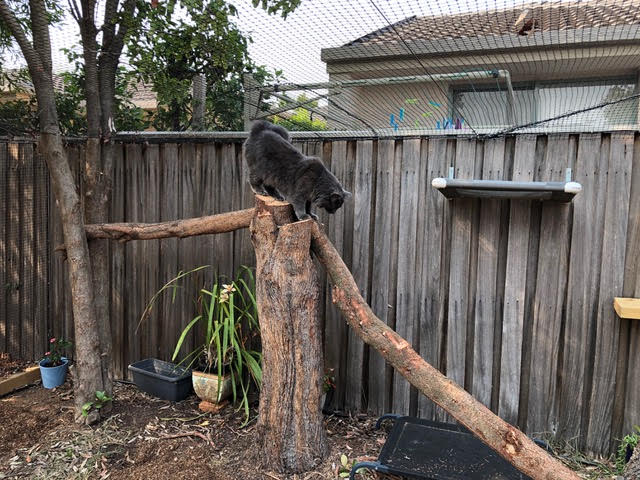
If possible install an outdoor cat enclosure so indoor lounge lizards can have a run and a stretch in the sun,

Food puzzle toys are ideal for plump pussy cats. They slow down food consumption, increase movement and mentally stimulate your cat.


Please book an appointment with our weight control nurses. They will help your cat achieve safe and effective weight loss. Too rapid weight loss in fat cats may cause liver damage. 


Unexplained weight loss

Thursday, January 19, 2017


 Weight loss in cats is a sensitive indicator of many feline diseases. Because cats don't give us many clues when they are ill we take unexpected weight loss very seriously.

If a cat loses weight over a day or so then dehydration from a more rapid onset illness, pancreatitis or a gastrointestinal upset is more likely. We should correct the dehydration as soon as possible so don't hesitate to call us for advice or an appointment.

Even if your cat seems otherwise well and happy, weight loss over a month or more could be due to diseases such as hyperthyroidism, kidney disease, diabetes, inflammatory bowel disease or cancer. It is only when these diseases are well advanced that a cat will finally show obvious signs.

When your cats come in for a regular exam the first thing we do is weigh them. We take weight loss very seriously and if you haven't been intentionally dieting them we will recommend  tests. Hyperthyroidism, diabetes and kidney disease are detected with tests we do in our own laboratory. Results are available within half an hour. If we don't find anything then we discuss the possibility of bowel disease or other more unusual diseases.

It is always better to detect and manage disease earlier rather than later. Cats often have chronic ongoing disease. With good management we can improve their quality of life and ensure they live a good long life with you.


Cortisone

Saturday, March 05, 2016


Cortisone is prescribed for many feline maladies, including allergies, asthma and inflammatory bowel disease. Sometimes we may give a short acting injection if your cat is difficult to medicate. We rarely give a long-acting injection because of the risk of side effects. Tablets called Prednisolone or Niralone contain short acting cortisone and are our preferred way of giving cortisone because we can withdraw them rapidly if there are side effects. 

Although we start giving prednisolone (also called pred) tablets once or twice daily we soon reduce the dose to every other day to avoid long term side effects. Most people find that their cat accepts the tablet crushed into the food

After 5 days of pred tabs every day the adrenal glands start to slow their production of natural cortisol. It is safe to stop after 5 days of daily tablets but if a longer course is needed follow our instructions carefully.  Usually we recommend every other day tablets so that the adrenal glands keep functioning.

On a long course of pred it is important not to stop giving the tablets suddenly in case the adrenals have closed down.  Your pet may not be able to step up the production of cortisol fast enough to cope with an emergency, like a dog attack, a new pet or illness, and may collapse.

Side effects of cortisone may include:

  • drinking more
  • urinating more, a wetter litter than before
  • increased appetite
  • long term cortisone increases the risk of diabetes in cats

Never give cortisone at the same time as anti-inflammatory medications like Meloxicam or Metacam.

Diabetes

Tuesday, August 05, 2014

Cats with diabetes have high blood glucose levels. This is caused by a deficiency of insulin, which is secreted by the pancreas. 

Under the influence of insulin the body takes glucose up from the blood and uses it as an energy source.

Diabetes mellitus is mostly seen in older cats and is more common in males than females. Obese cats and Burmese cats are more commonly affected.

Diabetic cats produce more urine and, to compensate for this, drink more. This may not be obvious if the cat goes outdoors and has access to pools of water.  Some cats urinate outside the tray after being litter trained for years.  Indoor cats saturate the litter rapidly.

Many cats lose weight despite an increase in appetite.

A history of drinking and urinating more, a good appetite and weight loss suggests diabetes.  Your vet will test for high blood glucose and the presence of glucose in the urine. Stress may also cause a transient rise in glucose levels in cats so your cat may be admitted to hospital for a day for a series of blood glucose tests to confirm the diagnosis.

Untreated diabetes eventually causes loss of appetite and lethargy.

Cats with diabetes mellitus are treated with insulin injectionsWeight loss in obese cats can sometimes lead to remission of the diabetes.  Stopping drugs such as prednisolone may also resolve the condition.

Treatment for most cats involves a twice daily injection of insulin. They feel little pain because only a very fine needle is used. Usually insulin is given 12 hours apart at the same time as a meal.

Unlike diabetic humans or dogs diabetic cats require a low carbohydrate diet, high protein diet.  Specially formulated diets such as Hills m/d are low in carbohydrate and high in protein and ideal for diabetic cats.  Many small meals or grazing are fine as long as the cat is not overweight.

Diabetes

Saturday, February 22, 2014


Cat diabetes is very similar to human diabetes. Slimming down and a particular diet help control or even cure it.

However diabetes in cats always requires an intial intense period of insulin treatment and, unlike humans, cats require a high protein diet to overcome their diabetes.

Mini visits us every Thursday morning for a blood glucose test. Her carer gives her an insulin injection twice a day with her meals. Until we find the best dose for her she will visit us every Thursday for a weight check and a blood glucose check.

Mini had already lost her extra kilos when she was diagnosed so she didn't have to go on a weight reduction diet. High protein diets help keep cats' blood glucose down and reduce the insulin dose though. Some cats even go into remission on a high protein diet.


Search Blog

Recent Posts


Tags

feline herpesvirus slow depomedrol stare into space kibble kitten play mince kitten deaths conflict dilated pupils poisonous plants liver best veterinarian paralysis furballs vaccine ulcerated nose fear seizures pain bladder bladder stones teeth information night hunting painful prey hairball learning hypertension goodbye scratch asthma inflammatory bowel disease blood pain killer photo competition urine worming kittens Canberra rigid head cough intestine IBD dementia bed paracetamol unsociable paralysed plants dental treatment obese hunters enemies aggressive lame restless best cat clinic straining lymphoma hearing cancer pet insurance tick fluid pills desex holes in teeth heaing hypertrophic cardiomyopathy string sense of smell visit pred tablet open night fight cryptococcosis snake bite headache hyperactive echocardiography annual check urination marking whiskers senior vomiting rub constipation toxins breathing difficult sucking wool fabric microchip skinny lump flea prevention petting cat socialisation vomit stress desexing toxic appetite polish aerokat overweight new year pain relief collapse enteritis ACT catoberfest aspirin senses kidneys tapeworm ulcer blood in urine lilly renal disease itchy holiday lick Hill's Metabolic urinating on curtains or carpet radioactive iodine snakebite body language bad breath cranky cat fight fever plaque cat worms dymadon bump sick cat in season tartar training paralysis tick yowling thyroid rolls poison gifts pancreatitis meows a lot award panleukopenia abscess anxiety wet litter tradesmen hyperthyroidism feline enteritis opening hours comfortis snakes antiviral AIDS obesity FIV blind urinating outside litter African wild cat sudden blindness vision return home computer moving cta fight jumping FORLS pet not eating blue cortisone dry food gasping abscess,cat fight cat friendly nose scabs panadeine worms cystitis mass home sensitive stomach chlamydia anaemia best vet breeder new kitten fleas introduction birthday off food hunter best clinic rash competition prednisolone antibiotics cat vet grooming panamax litter box arthritis sun diet mycoplasma holidays nails biopsy snuffles eye ulcer poisonous sore eyes bite introductions hard faeces cat history drinking a lot allergy eyes behaviour change cat cognitive dysfunction calicivirus kitten indoor cats feliway exercise spraying sensitive carrier blood test xylitol virus vaccination thiamine deficiency advantage permethrin blood pressure groom lilies fireworks runny eyes hospital introducing herpesvirus hiding spey activity flu skin brown snake foreign body snuffle high blood pressure scale fits diuretics diarrhoea heavy breathing eye infection old cat castration mouth breathing pica new cat appointment skin cancer vocal grass pet meat weight loss cat behaviour crytococcosus physical activity drinking more dental check flea treatment head check-up blockage signs of pain tooth scratching post love kidney attack snot diabetes cat flu change mental health of cats pheromone hunched over corneal ulcer cat enclosures wobbles weight control blocked cat eye massage Canberra Cat Vet snake salivation dental client night changed pill when to go to vet fat noisy breathing panleukopaenia runny nose cat containment spray twitching food puzzles touch vet visit insulin holes tumour urine spraying open day heart disease urinating litter ribbon poisoning blindness poisons kidney disease adipokines scratching sick introduce revolution strange behaviour stiff weight sore ears hungry cat enclosure face rub christmas panadol euthanasia ulcers train furball odour unwell lily wool thirsty hole roundworm cage sneeze decision to euthanase on heat New Year's Eve allergy, aggression free behaviour rough play sore checkup old health check

Archive

A calm, quiet haven for cats and their carers staffed by experienced, cat loving vets and nurses.

Canberra Cat Vet 16-18 Purdue St Belconnen ACT 2617 (parking off Gillott Street) Phone: (02) 6251-1444

Get Directions